
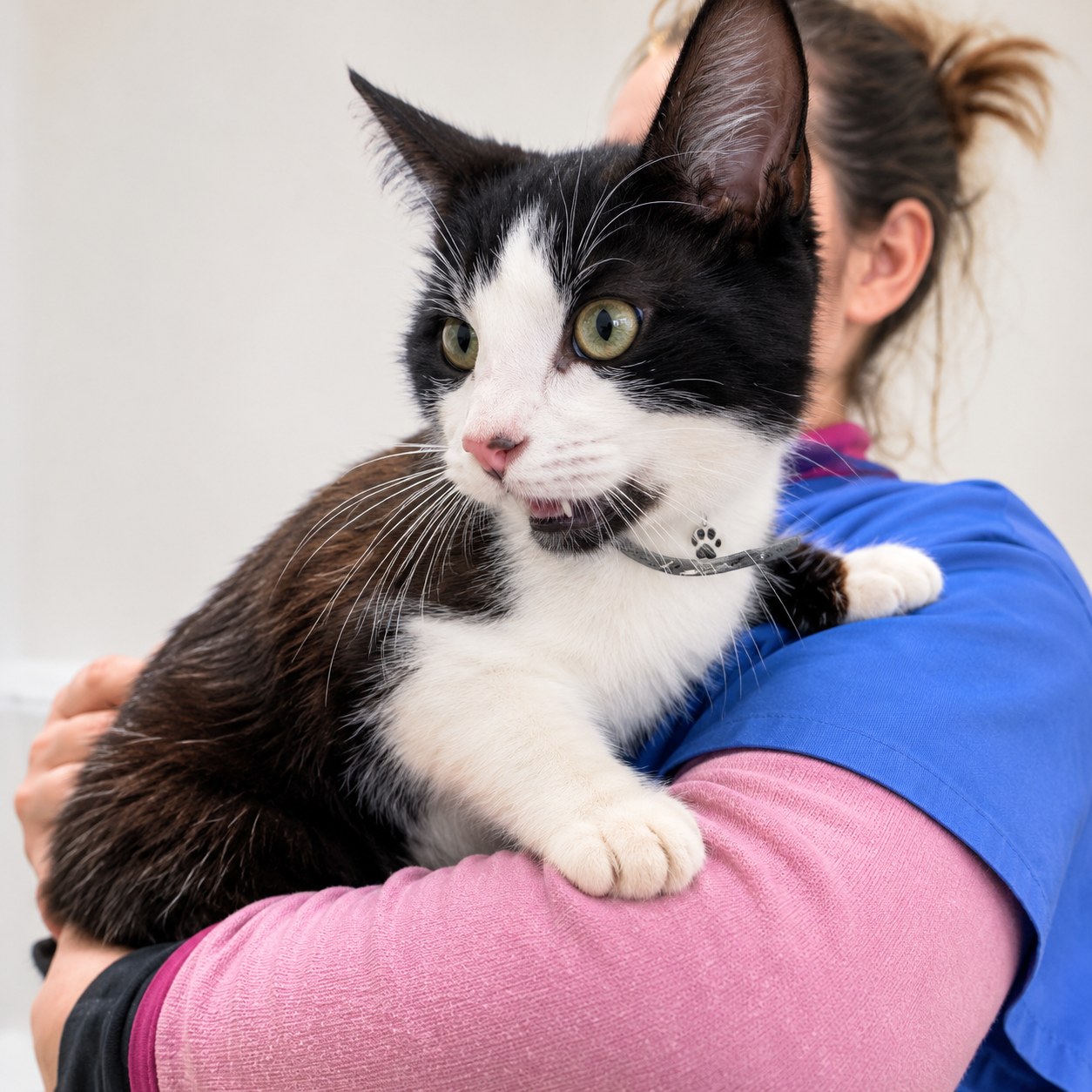
Cats are often very good at hiding signs of illness, which makes regular veterinary care particularly important. Whether you have a playful kitten, an active adult cat or an older companion, a few simple preventative measures can make a real difference to their health and wellbeing.
At CH Vets in Skibbereen, we are here to help you care for your cat throughout every stage of life.
1. Regular veterinary health checks
We recommend arranging a veterinary health check at least once a year, even if your cat appears healthy.
During a routine examination, your vet may assess:
- Weight and body condition
- Heart and lungs
- Skin, coat, eyes and ears
- Mobility and general wellbeing
- Any changes in appetite, drinking or behaviour
Older cats, or those with ongoing medical conditions, may benefit from more frequent examinations.
2. Vaccinations
Vaccinations help protect cats against serious infectious diseases, including feline panleukopenia and the viruses commonly associated with cat flu.
Your cat's vaccination programme will depend on their age, vaccination history, lifestyle and individual risk factors.
Cats that spend time outdoors or have contact with other cats may also require protection against feline leukaemia virus (FeLV).
Even indoor cats can benefit from vaccination. Your vet can advise which vaccines are appropriate and when boosters are required.
3. Parasite prevention
Parasites can affect cats of all ages. The level of risk depends on factors such as whether your cat hunts, spends time outdoors or lives with other animals.
Your veterinary team can recommend a suitable parasite prevention programme based on your cat's individual needs.
4. Dental health
Dental disease is a common problem in cats and can cause significant discomfort.
Signs of possible dental problems include:
- Bad breath
- Difficulty eating or chewing
- Drooling
- Red or inflamed gums
- Changes in eating habits
Regular dental examinations can help identify problems early.
Your vet can also advise on appropriate home dental care and whether professional dental treatment is needed.
5. Nutrition and healthy weight
Providing a balanced diet appropriate to your cat's age and health is an important part of preventative care.
Fresh drinking water should always be available.
Changes in weight, appetite or thirst can sometimes indicate an underlying health problem. Contact your vet if you notice anything unusual.
6. Neutering and microchipping
Neutering can prevent unwanted litters and may reduce certain health and behavioural risks.
Microchipping provides a permanent means of identification and can help reunite lost cats with their owners, provided the registered contact details are kept up to date.
Your veterinary team can advise on the most appropriate timing for neutering and microchipping.
7. Recognising when your cat may be unwell
Because cats often hide signs of illness, changes in their normal routine should not be ignored.
Contact your vet if you notice:
- Reduced appetite or changes in drinking
- Unexplained weight loss
- Repeated vomiting or diarrhoea
- Changes in toileting habits
- Reduced activity or unusual hiding
- Difficulty moving or jumping
Difficulty breathing, collapse or straining to urinate without passing urine require immediate veterinary attention.
We're here to help
At CH Vets, we provide routine health checks, vaccinations, preventative healthcare, dentistry, diagnostics and veterinary treatment for cats.
Whether you have a new kitten or an older cat requiring additional care, our team can provide advice tailored to their individual needs.
To arrange an appointment or discuss your cat's healthcare, contact CH Vets in Skibbereen on 028 22211.
This article provides general information and is not a substitute for individual veterinary advice.
Information provided on this website is for general guidance only and does not replace professional veterinary advice, diagnosis or treatment. Every animal's circumstances are different, and treatment decisions should be made following appropriate veterinary assessment.